01
Chapter in
You send the chapter the way you already export it: a PDF, or an image sequence. Vertical webtoon strips and paged black-and-white manga both work.
PDF · PNG · JPG · no source files needed
Webtoon & manga animation
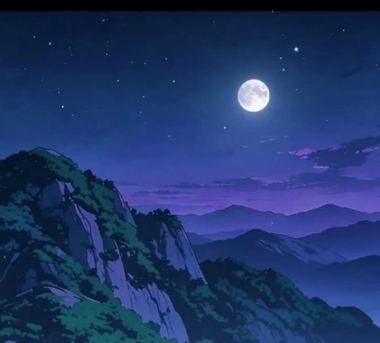
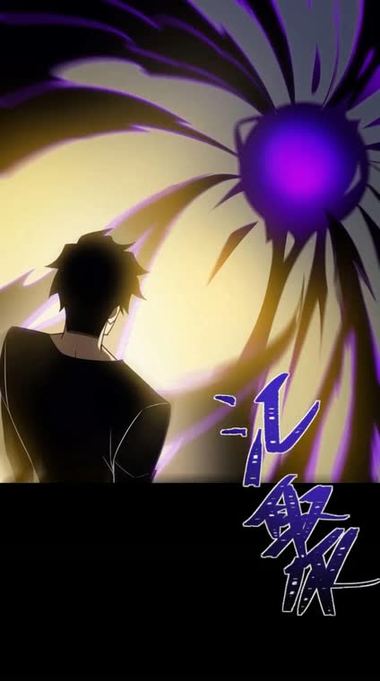
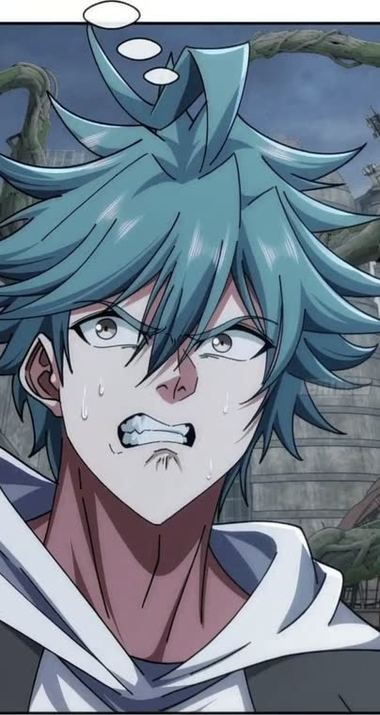
perfectGF animates finished webtoon and manga chapters. You send the chapter as you drew it; every panel comes back as a directed shot, on model and in the order it is read.
The cut
Drag the line. On the left, the panel exactly as it arrived in the chapter. On the right, the rendered scene — same framing, same face, same costume, now moving.
Selected scenes
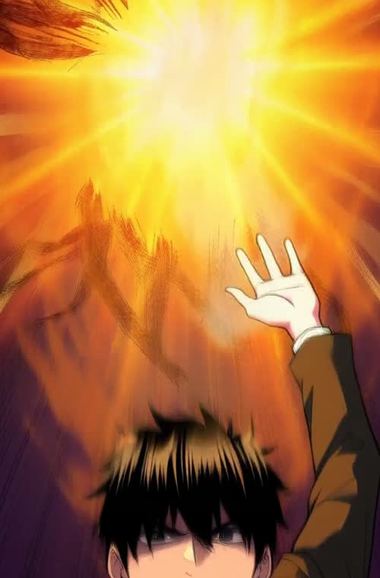
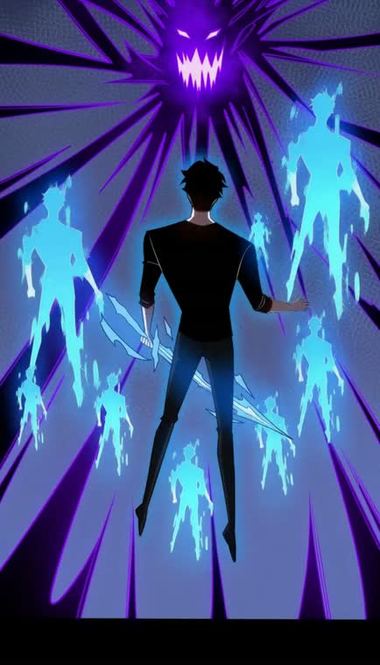
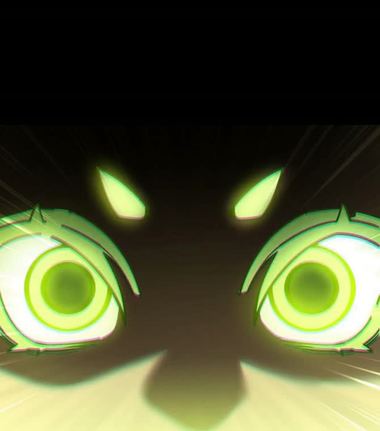
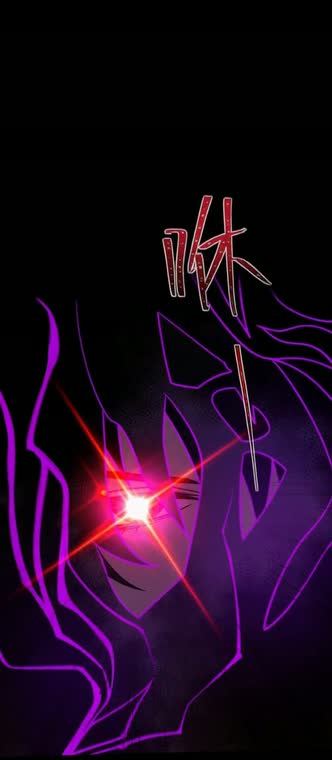
Everything here is playing. Move across a shot to uncover the panel it came from; click it to open full size. These are renders as delivered — a few reframed to keep the source scan's typesetting out of shot.
Process
Five stages. You see the work at the end of each one, and any single scene can be sent back without touching the rest.
01
You send the chapter the way you already export it: a PDF, or an image sequence. Vertical webtoon strips and paged black-and-white manga both work.
PDF · PNG · JPG · no source files needed
02
The strip is sliced along its gutters into panels. A webtoon strip is cut on the vertical axis only — cutting horizontally splits speech bubbles into panels that were never drawn. You review the cut before anything is generated.
101 panels from a 19-page chapter · 5.6 per strip
03
Panels are grouped into scenes. One panel when the beat is held; two consecutive panels when the shot has to travel between them, so the movement is the thing the reader already imagined between the two drawings.
A six-panel strip yields three to six scenes
04
Every scene is written down before it is rendered: the framing, what moves, where the camera holds and what it follows. Identity, face and wardrobe stay locked to the source panel.
One direction sheet per scene, yours to edit
05
Each scene renders at roughly a megapixel and comes back as a looping animated panel, together with a vertical reading page that plays the chapter through, scene after scene, like an episode.
Animated panels · shareable reading page
Scope
| Frame | ~1 megapixel, native panel aspect ratio, no letterboxing |
|---|---|
| Format | Looping animated panels, ready to drop into a page or a feed |
| Source in | PDF or image sequence — vertical webtoon strips, or paged manga |
| Revisions | Per scene: recut or redirect one shot without re-rendering the chapter |
| Rights | You keep everything. Nothing is published without your written go-ahead |
Questions
No. A clean chapter export is enough. What matters is that the export is clean: watermarks, typeset bubbles and credit bands sit inside the drawing, and the render treats them as part of the picture. If you can send a plate without lettering, every shot gets better.
Identity is locked to the panel itself, not to a description of it — the face, hair and wardrobe in the shot are the ones you drew on that page. Consistency across a chapter comes from the chapter, which is why we animate finished art rather than generating it.
It is quoted per chapter, because chapters are not the same size. A 20-scene chapter and a 78-scene chapter are different jobs — the ones on this page run from 20 to 78 scenes. Send the chapter and you get a scene count and a date back.
Yes, and it is usually the right way in. Scenes are generated one at a time and selected individually, so a single shot from your own chapter is a real test rather than a showreel.
You do. The work is yours, including the direction sheets. Nothing goes on this page or anywhere else without your written go-ahead.
Start here
Scene count, deadline, and a link to the material. You get back a quote and a schedule — or a straight no, if the chapter is not a fit.
Adult work
We also animate adult webtoons. The scenes behind this door contain sexually explicit material and are intended for adults only.
By continuing you confirm you are 18 or older, and that adult material is lawful where you are. Your choice is remembered on this device only.